Lemon Farmer Font: Friendly Typography for Business Branding
Why Lemon Farmer Works for Small Business Branding
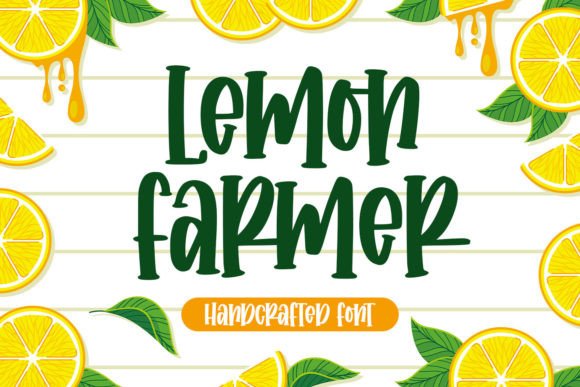
Lemon Farmer is a sweet, playful handwritten font that radiates approachability. As a small business owner, I’ve found that choosing the right font can make a huge difference in how customers perceive your brand. Lemon Farmer’s soft curves and casual charm make it ideal for brands that want to feel personable and trustworthy. Whether you run a boutique, a café, or a digital course platform, this script font adds a human touch to your visuals without sacrificing professionalism.
How Lemon Farmer Elevates Real-World Brand Materials
I use Lemon Farmer across a variety of customer-facing materials, from product labels to social media posts. It works beautifully as a headline font in Instagram stories, giving my content a warm, inviting feel. On packaging, like for handmade candles or organic tea bags, it adds a sense of care and craftsmanship. When designing thank-you cards or stickers, the font’s whimsical style makes my brand feel more memorable and unique. Even on digital ads and Pinterest graphics, Lemon Farmer stands out without being overwhelming.
Creating a Cohesive Visual Identity with Lemon Farmer
Consistency is key in branding, and Lemon Farmer helps me maintain a unified look across platforms. I use it as the primary font in my logo and carry it through to my website banners, menus, and even business cards. Because it’s a script font, it naturally draws attention, making it perfect for headlines and call-to-action buttons. Pairing it with a clean sans serif like Montserrat or Open Sans for body text keeps everything balanced and easy to read. This kind of thoughtful font pairing strengthens brand recognition without confusing the visual message.
When to Use Lemon Farmer in Your Branding
Lemon Farmer shines as a display or accent font. I wouldn’t use it for long paragraphs or small print, but it’s perfect for headlines, logo designs, and featured text. For example, on a café menu, I use it for section headers like “Today’s Specials” or “Our Story.” In packaging design, it works well for product names or taglines. When designing a boutique logo, its soft, handwritten style gives the brand a boutique-like feel that appeals to local shoppers and online buyers alike.
Readability Matters: Using Lemon Farmer Across Mediums
One thing I always test before committing to a font is readability. Lemon Farmer holds up well on printed packaging and small labels when used at the right size. On mobile screens, especially in social media thumbnails, it remains legible as long as it’s not too small or over-decorated. I recommend avoiding heavy effects like shadows or outlines when using it digitally, as they can make the font harder to read. Always preview your text at actual size before printing or publishing.
Testing Lemon Farmer Before Full Brand Rollout
Before using Lemon Farmer across all my branding materials, I create a small visual test kit. I design mockups of business cards, a sample product label, and a few social media templates. This lets me see how the font performs in real-world applications. I also print samples to check how it looks on physical packaging and compare it against other fonts I’ve used in the past. This small step saves time and money in the long run and ensures the font supports my brand’s personality and goals.
Simple Font Pairing Ideas with Lemon Farmer
Font pairing is a game-changer for professional-looking designs. Since Lemon Farmer is a decorative script font, I always pair it with a more neutral typeface to balance the design. For digital use, I often pair it with a modern sans serif font like Lato or Roboto for clean, readable body text. If I’m going for a vintage or elegant vibe—like for a boutique or artisanal brand—I’ll pair it with a classic serif font such as Playfair Display. These combinations keep my branding expressive yet functional.
Checking Commercial Licensing for Lemon Farmer
As a small business owner, I always double-check the licensing terms before using any font in my branding. Lemon Farmer is a premium font, so it’s important to ensure it’s cleared for commercial use, especially if you’re printing packaging, creating merchandise, or offering templates to clients. Most font providers offer clear licensing options, including web and print use, so be sure to select the right license for your intended application. This protects your brand and ensures you’re using design assets legally.
Real-World Examples of Lemon Farmer in Use
- A local bakery used Lemon Farmer in their logo and cupcake wrappers to create a warm, approachable brand image.
- An online candle maker chose Lemon Farmer for product labels, giving each jar a handmade, boutique feel.
- A wellness coach used the font in Instagram posts and digital downloads to reinforce a friendly, supportive brand voice.
- A boutique coffee shop incorporated Lemon Farmer into their menu boards and thank-you tags, making every customer touchpoint feel personal.
- A small online clothing brand paired Lemon Farmer with a minimalist sans serif to create a modern yet approachable brand identity.
Choosing the Right Script Font for Your Business
Script Amp fonts like Lemon Farmer are powerful tools in modern typography. They bring personality and warmth to brand visuals while still supporting a professional image. When choosing a script font, consider how it aligns with your brand’s voice and where it will be used most. Lemon Farmer is particularly well-suited for brands that want to feel creative, approachable, and authentic. Whether you’re designing a logo, packaging, or website banners, this font can help your brand stand out in a thoughtful, intentional way.